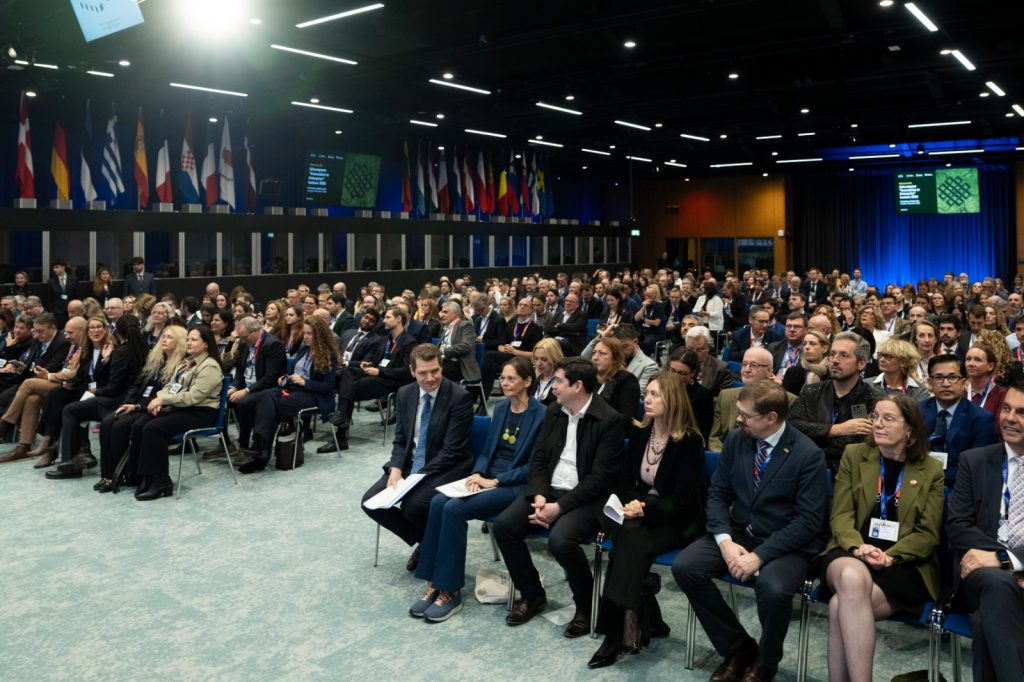
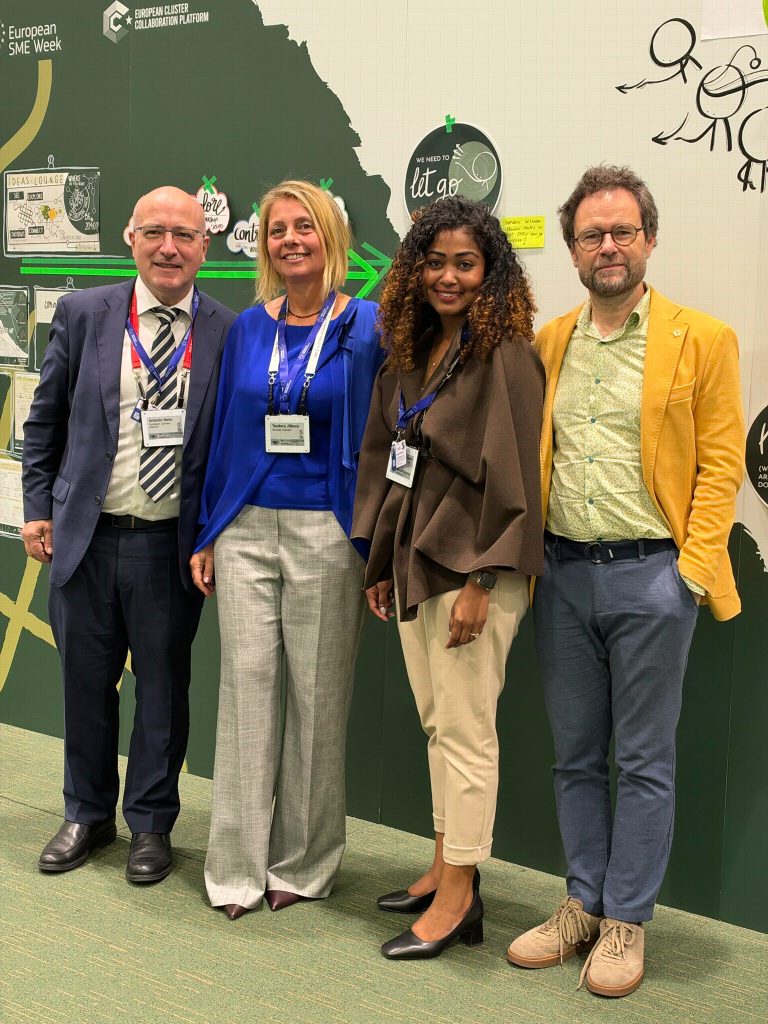
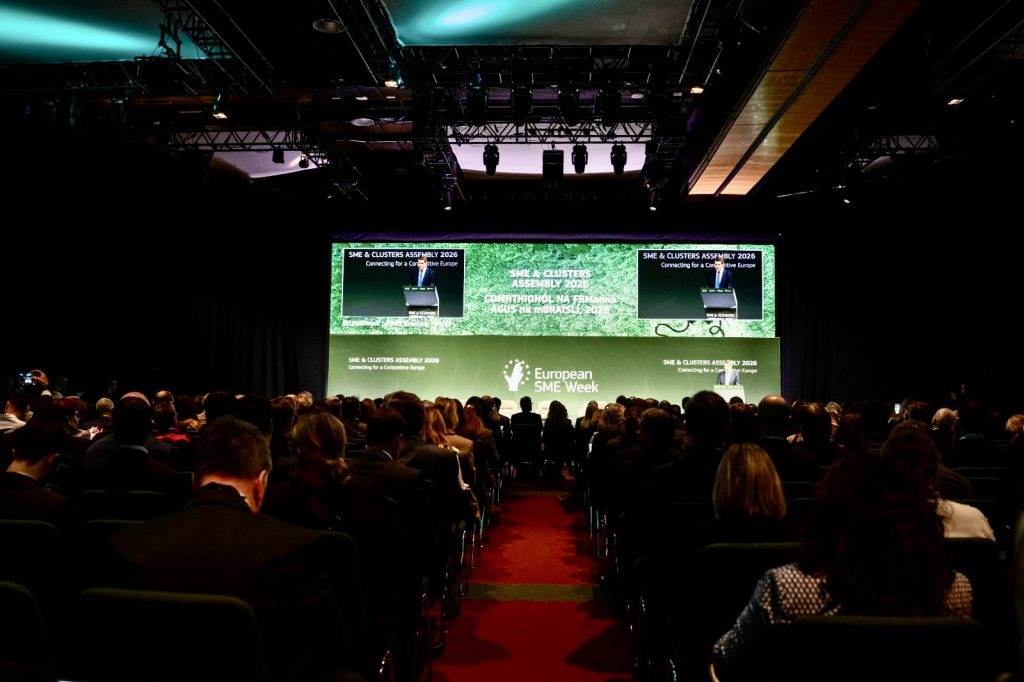
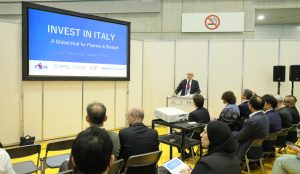
Europe’s cluster community met in Dublin on 2–4 November for the SME & Clusters Assembly 2026, held during European SME Week under the theme “Connecting for a Competitive Europe”. CEBR President Hickmah Tagaully took part to bring the perspective of Europe’s life science clusters, and to share what almost twenty years of running a European network teach about the long-term capacity clusters need.
Key takeaways from Dublin
Organised under the Irish Presidency of the Council of the EU, the Assembly brought together policymakers, cluster managers, SMEs and experts to discuss how to make Europe a better place to start and grow a business. Among the main messages:
- Clusters as engines of competitiveness. Cluster productivity is estimated at 25% above the EU average. Speakers stressed that clusters add value by turning connections into concrete opportunities, and called on cluster managers to offer proactive services that bridge research and commercialisation, not just networking.
- Simplification as a priority. The Commission highlighted its omnibus simplification proposals and its target to cut recurring administrative costs for SMEs by 35% by 2029, together with a pact against gold-plating supported by a toolkit for Member States.
- From lab to market. Biotech entrepreneurs described the challenges small companies face in taking innovation to market, a reality well known to life science clusters across Europe.
- Investment and implementation. The proposed European Competitiveness Fund in the next EU budget was presented as a tool to de-risk investment. Closing the policy debate, Anna Athanasopoulou, Director at DG GROW, summed up the priority for the months ahead: “implementation, implementation, and implementation.”
The conclusions of the Assembly will feed into the work of the European institutions, the SME Envoy Network and the incoming Lithuanian and Greek Council Presidencies.
Almost 20 years of European cooperation
In this context, Hickmah Tagaully shared CEBR’s own story. Born from an EU project in 2006 and financially independent since 2008, the Council of European Bioregions today connects 47 life science clusters across the EU.
Keeping a European network active over almost two decades has required committed members, joint projects and a remarkable investment of time from people who already hold full-time roles in their own clusters. CEBR owes its continuity to the engagement of successive Presidents, Board members and network managers, who have often gone well beyond what their roles require.
“People come and go. The network must outlast them.” – Hickmah Tagaully, President of CEBR
Clusters and the future EU for Business Network
During the Assembly, the European Clusters Alliance, EURADA – European Association of Development Agencies and the Vanguard Initiative presented a joint statement calling for complementary roles for clusters and the Enterprise Europe Network in the proposed EU for Business Network.
CEBR shares this view: if Europe expects cluster networks to help deliver its competitiveness ambitions, it also needs to invest in their long-term capacity.