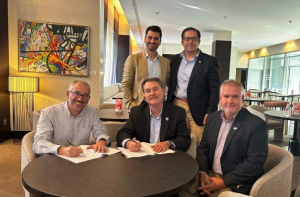
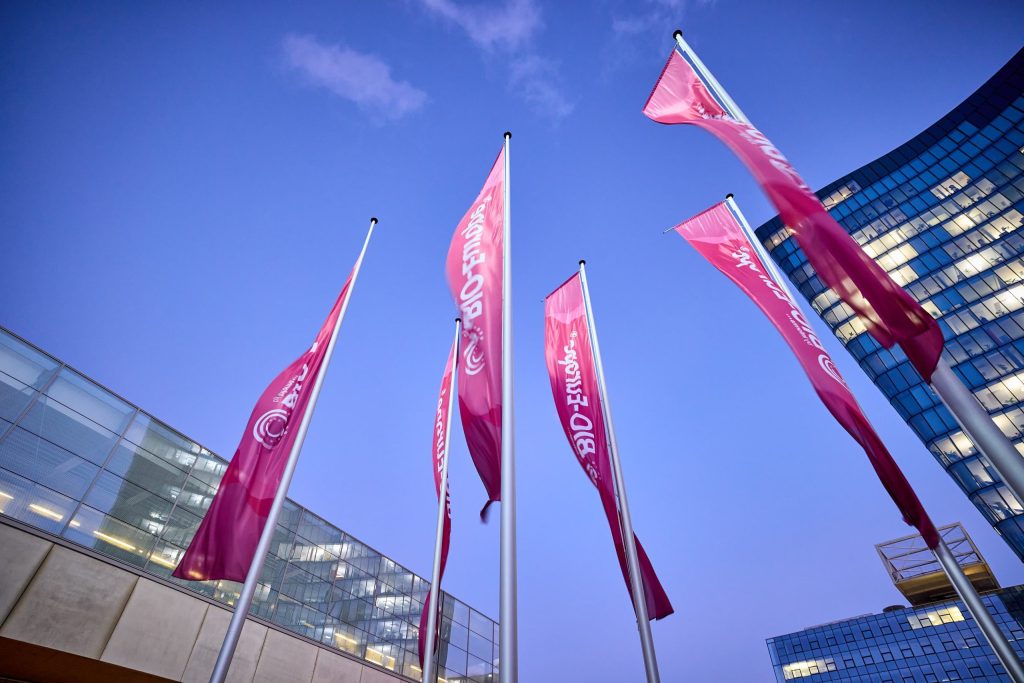

At BIO-Europe® 2025 in Vienna, biotechnology associations from across Europe, North America and Asia convened for an inaugural high-level meeting to address shared challenges and define common priorities for the global biotechnology sector.
The outcome of this strategic dialogue is the BIO-Europe® Innovation Statement, a coordinated call to harmonize, defragment, accelerate and scale biotechnology ecosystems worldwide.
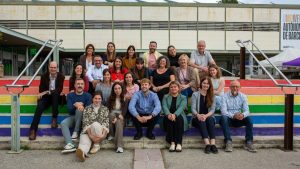
CEBR was proud to be among the attending organizations, together with several of our member clusters and partner associations. The meeting brought together regions and countries representing ecosystems at different stages of maturity — from highly established life sciences hubs to rapidly growing innovation regions. Despite these differences, participants identified a clear set of shared bottlenecks and aligned ambitions for 2026 and beyond.
A Changing Geopolitical Landscape
The discussions took place against a backdrop of significant geopolitical shifts impacting biotechnology innovation and markets. Following the aftereffects of COVID-19 and the ongoing war in Ukraine, 2025 introduced additional pressures, including trade tariffs and pricing policies that have reshaped global innovation and manufacturing pathways.
These developments have intensified political and financial focus on biotechnology as a strategic sector. Participants emphasized the urgent need to remove structural barriers, improve regulatory agility, and strengthen skills capacity to ensure that innovation can grow and scale without unnecessary complexity.
Defragmentation as a Strategic Imperative
Market fragmentation — particularly in clinical trials, regulatory frameworks, and cross-border collaboration — was identified as a major obstacle to competitiveness. Greater coherence across regions, simplified regulatory systems, and improved geographical mobility are essential to unlocking Europe’s and the global ecosystem’s full potential.
The Innovation Statement also highlights the importance of:
- Unlocking locally generated intellectual property and improving commercialization pathways
- De-risking long-term investment in innovation
- Connecting regional ecosystems with national and international strategies
- Enabling growth through agility, mobility and scale
- Simplifying and harmonizing regulatory frameworks
- Strengthening trade partnerships and global collaboration
- Leveraging emerging biotechnology applications and evolving skills markets
A Global Call to Action
The collective message from Vienna is clear: biotechnology is no longer a future competitiveness angle — it is a strategic pillar of economic resilience, health security and technological sovereignty.
CEBR remains committed to connecting European bioregions, amplifying the role of clusters in EU and international policy discussions, and contributing to coherent, ambitious frameworks that enable sustainable biotechnology growth.
The full BIO-Europe® Innovation Statement is available for download below.